


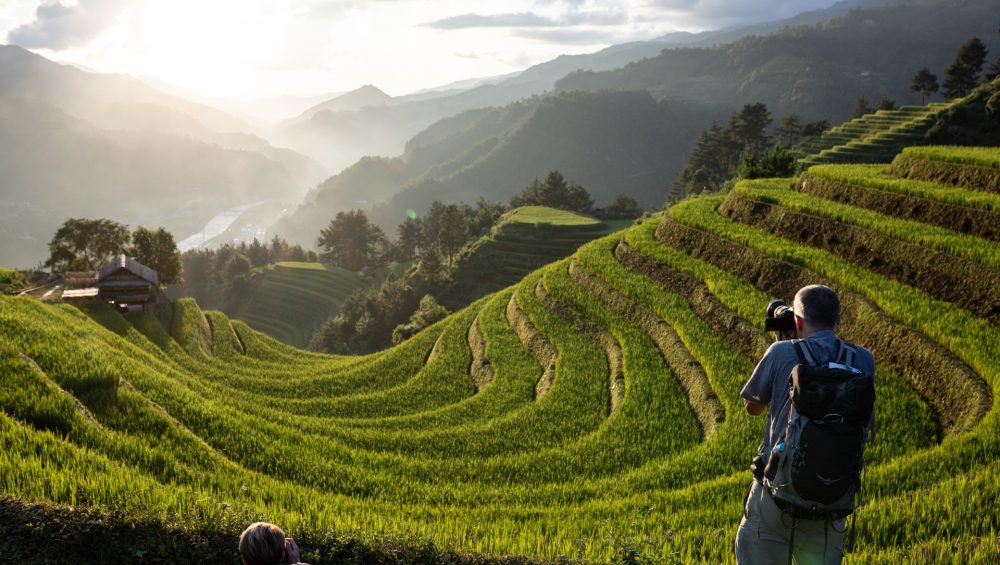
Every year, we welcome travellers from across Canada—including Montreal, Toronto, Vancouver, Ottawa, Calgary, and Quebec City—who dream of discovering Vietnam to organize their trip to Vietnam. While the excitement of planning such an unforgettable adventure is undeniable, it also comes with many questions.
Which airline offers the best route? When is the ideal time to travel? Do Canadians need a visa? How can you build a well-balanced itinerary in a country stretching over 1,600 kilometres from north to south? And most importantly, how do you organize a journey more than 12,000 kilometres from home without overlooking the details?
Fortunately, travelling to Vietnam has never been easier. Modern flight connections, straightforward travel formalities, and a well-developed tourism infrastructure make the country remarkably accessible for Canadian visitors.
In this guide, we’ll walk you through every stage of planning your trip. Drawing on our experience as a local travel agency based in Vietnam, we’ll share practical advice that allows you to travel with confidence and fully enjoy your journey from the moment you arrive.
Choosing the Best Time to Visit Vietnam
One of the first decisions you’ll need to make is when to travel.
Unlike many tropical destinations, Vietnam does not have one single “best season.” Thanks to its long geography stretching from north to south, the country experiences several different climate zones at the same time.
This diversity is actually one of Vietnam’s greatest strengths.
While Northern Vietnam may experience cool winter temperatures, Southern Vietnam often enjoys warm sunshine. At other times of the year, Central Vietnam offers the country’s most pleasant weather.
For this reason, we always recommend choosing your itinerary according to your travel dates, rather than selecting destinations first and hoping the weather will cooperate.
A trip planned for February will naturally differ from one scheduled in July or November.
Many Canadian travellers escape the cold winter months by visiting Vietnam between November and April, when weather conditions are generally favourable across much of the country. During this period, it’s often possible to combine Hanoi, Halong Bay, Central Vietnam, and the Mekong Delta within the same itinerary.
The key is not to find the “perfect season,” but rather to choose the regions that offer the best experiences during your travel period.
Booking Your Flight from Canada
Flights are naturally the first practical step in organizing your journey.
Several major Canadian airports—including Toronto, Montreal, and Vancouver—offer convenient connections to Vietnam with only one stopover.
Depending on the airline, you’ll typically connect through Europe, the Middle East, or Asia before arriving in either Hanoi or Ho Chi Minh City.
Although the journey is long, modern flight schedules make travelling surprisingly comfortable. Most itineraries take between 18 and 25 hours, including the layover.
To secure the best fares and flight schedules, we recommend booking your tickets several months in advance—especially if you’re travelling during Canadian school holidays, Christmas, or the winter vacation period.
Early booking not only gives you more airline options but also allows your itinerary to be built around your confirmed arrival and departure times.
Choosing your arrival airport is equally important.
Hanoi is the ideal gateway for exploring Northern Vietnam, including Halong Bay, Ninh Binh, Sapa, and Ha Giang.
Ho Chi Minh City (Saigon) is perfect for discovering the Mekong Delta and Southern Vietnam.
Many travellers choose to arrive in Hanoi and depart from Ho Chi Minh City (or vice versa), allowing them to explore the country from north to south without retracing their steps. This approach maximizes your time while offering a richer and more complete travel experience.
Organizing Your Trip: Visa Requirements and Travel Documents
Once your flights have been booked, it’s time to prepare the administrative aspects of your journey.
For Canadian citizens, travelling to Vietnam is straightforward, but a few important formalities should be completed well before departure to ensure a smooth arrival.
The first step is to verify the latest Vietnam visa requirements. In most cases, Canadian travellers must obtain a visa before entering the country. Fortunately, Vietnam’s electronic visa (e-Visa) system has made the process quick and convenient, allowing applications to be completed entirely online without visiting an embassy.
Since immigration regulations may evolve, we always recommend checking the current requirements before making your application. As a local travel agency, we also assist our guests by providing the latest information and practical guidance throughout the process.
Your passport should remain valid for at least six months beyond your planned departure date from Vietnam and contain sufficient blank pages for immigration stamps.
Travel insurance is another essential part of your preparation. While Vietnam is considered one of Southeast Asia’s safest destinations, comprehensive coverage provides valuable peace of mind throughout your trip.
A good insurance policy should include:
- Emergency medical expenses
- Trip cancellation and interruption
- Lost or delayed baggage
- Emergency evacuation if required
Finally, it’s wise to keep digital copies of your passport, visa confirmation, insurance documents, flight tickets, and hotel confirmations securely stored on your phone or in cloud storage. Having these documents easily accessible can save valuable time should an unexpected situation arise.
A little preparation before departure allows you to travel with complete confidence.
How Long Should You Stay in Vietnam?
Vietnam is a country that rewards travellers who take their time.
Although it’s tempting to see as much as possible, trying to fit the entire country into a short itinerary often means spending more time in airports, on buses, or in transit than actually enjoying each destination.
Considering the long journey from Canada, we generally recommend spending at least two weeks in Vietnam.
This provides enough time to experience several of the country’s iconic destinations without feeling rushed.
For many travellers, however, three weeks offers the perfect balance.
With additional time, you can comfortably combine cultural heritage sites, breathtaking natural landscapes, local cuisine, authentic encounters with local communities, and moments of relaxation along the coast.
If you have four weeks or more, Vietnam reveals an entirely different side of itself.
You’ll have the opportunity to venture beyond the classic tourist routes, explore remote mountain regions, spend more time with local ethnic communities, and enjoy experiences that most visitors simply don’t have time for.
Ultimately, the length of your stay will determine the rhythm of your journey.
Rather than trying to visit every famous attraction, we believe the best itineraries are those that allow you to truly experience each destination, creating meaningful memories instead of simply collecting photographs.
Creating an Itinerary That Reflects Your Travel Style

There isn’t just one Vietnam.
Each region offers its own unique landscapes, traditions, cuisine, history, and atmosphere.
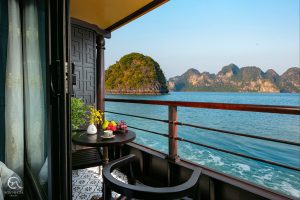
Some travellers dream of cruising through the spectacular limestone islands of Halong Bay before hiking among the terraced rice fields of Northern Vietnam.
Others are drawn to the imperial heritage of Hue, the charming lantern-lit streets of Hoi An, or the vibrant energy of Ho Chi Minh City.
Nature lovers often prefer mountain valleys, national parks, waterfalls, and encounters with Vietnam’s many ethnic minority communities.
Food enthusiasts enjoy discovering regional specialties, exploring bustling local markets, and taking hands-on cooking classes that reveal the richness of Vietnamese cuisine.
Families usually appreciate a slower-paced itinerary with a balance between sightseeing and relaxation, while honeymooners and couples often seek boutique accommodations, luxury cruises, wellness retreats, and unforgettable romantic experiences.
No two travellers share exactly the same expectations.
That’s why a successful itinerary isn’t measured by the number of places visited, but by how well it matches your interests, travel pace, available time, and the season of your trip.
A carefully designed journey transforms a simple vacation into an authentic travel experience.
Practical Tips Before You Leave Canada
The smallest preparations often make the biggest difference once you arrive.
One of the first challenges Canadian travellers encounter is the time difference, which can reach up to twelve hours depending on the season.
Allowing yourself a relaxed first day in Vietnam is one of the easiest ways to recover from jet lag before beginning your sightseeing.
Staying connected has also become remarkably easy.
Both eSIMs and local Vietnamese SIM cards provide affordable high-speed internet access almost immediately after landing. Having reliable mobile data allows you to use maps, translation apps, ride-hailing services, and messaging applications throughout your trip.
Vietnam’s currency is the Vietnamese Dong (VND).
Credit cards are widely accepted in hotels, shopping centres, and larger restaurants, while cash remains useful for local markets, small cafés, and family-run businesses.
When packing, lightweight breathable clothing is suitable for most regions of Vietnam. However, if your itinerary includes mountain destinations such as Sapa or Ha Giang, bringing a light jacket or fleece is highly recommended, particularly during the cooler months.
Before travelling, downloading a few useful mobile applications—such as Google Maps, Google Translate, Grab, and your preferred airline’s app—can greatly simplify your daily travel experience.
These practical details may seem minor, but together they contribute significantly to a smoother, more enjoyable journey.
Why Choose a Local Travel Agency in Vietnam?
Planning a trip to Vietnam from Canada has never been easier.
With countless websites offering flights, hotels, tours, and travel advice, it’s entirely possible to organize your trip independently.
However, creating a seamless itinerary that matches your interests, your travel pace, the season, and your budget requires far more than online research.
This is where working with a local travel agency makes a real difference.
At Senteurs du Vietnam, we live and work in Vietnam year-round. Our team travels regularly throughout the country, allowing us to provide recommendations based on first-hand experience rather than outdated guidebooks or generic travel platforms.
Every itinerary we design is entirely personalized.
Rather than offering fixed tour packages, we take the time to understand your travel style, your expectations, and the experiences that matter most to you.
Whether you’re looking for authentic cultural encounters, spectacular landscapes, family adventures, luxury accommodations, culinary discoveries, or off-the-beaten-path destinations, we build your journey around your vision.